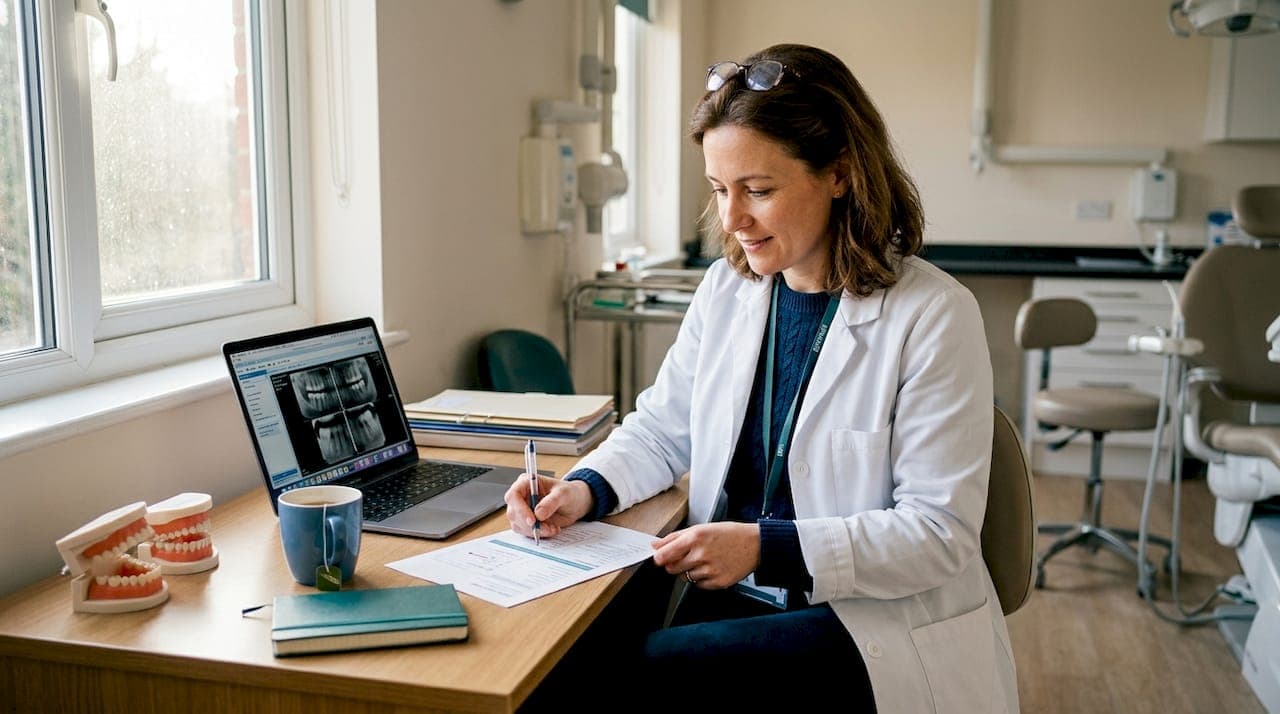
Choosing dental procedures abroad is one of the most consequential decisions a patient can make. The promise of saving thousands of pounds is real, but so are the risks of rushed treatment, poor aftercare, and unexpected complications when you return home. Getting this right means balancing cost, quality, and long-term outcomes in a way that protects both your health and your finances. This guide walks you through every stage, from your first local assessment to managing follow-up care, so you can make informed choices and avoid the mistakes that catch too many dental tourists off guard.
Table of Contents
- Start with a local dental assessment
- Compare procedure costs and treatment options
- Evaluate clinic quality, accreditation, and staff expertise
- Plan for follow-up care and potential risks
- What most dental tourists overlook about procedure selection
- Next step: Explore trusted dental care abroad
- Frequently asked questions
Key Takeaways
| Point | Details |
|---|---|
| Local assessment is vital | A dental checkup at home sets the foundation for safe and accurate procedure planning abroad. |
| Cost comparison saves money | Dental procedures can cost up to 70% less abroad, but thorough comparison is required for quality and savings. |
| Accredited clinics matter | Choosing a trusted, accredited clinic minimises risks and ensures effective treatment. |
| Follow-up care prevents complications | Plan for aftercare before leaving home to reduce the chance of issues after your procedure. |
| Avoid rushed decisions | Take time to review options and seek advice, especially for complex cases or major procedures. |
Start with a local dental assessment
Before you browse clinics abroad or request a single quote, book a thorough checkup with your local dentist. This step is not optional. A local dental assessment documents your needs and gives you baseline X-rays for comparable quotes, which means you arrive at any overseas consultation with facts rather than guesses.
Without this foundation, you are entirely dependent on the overseas clinic's own diagnosis. Some clinics are scrupulously honest. Others may recommend more treatment than you actually need, simply because they cannot verify your history. A local assessment gives you an independent second opinion before anyone abroad has the chance to influence your thinking.
Your assessment should produce a clear written treatment plan, recent X-rays or a CBCT scan if implants are involved, and a cost breakdown. Take these documents with you or share them digitally with any clinic you are considering. This single step brings transparency to pricing and prevents overtreatment.
Here is what to collect before you travel:
- Written treatment plan with specific procedure codes
- Full-mouth X-rays or a CBCT scan (for implants)
- Periodontal (gum health) charting if relevant
- Notes on any existing restorations, allergies, or medical conditions
- A cost estimate from your local dentist for comparison
Pro Tip: Ask your local dentist to note which procedures are urgent and which are elective. This helps you prioritise what to address abroad versus what can wait, saving you from being upsold on unnecessary work.
A common mistake is skipping this step to save time or money upfront. Patients who do this often end up paying for duplicate diagnostics abroad, or worse, accepting a treatment plan that does not reflect their actual condition. Routine cleanings and exams at home are inexpensive and can reveal issues that dramatically change what you need abroad.
| Document | Why you need it |
|---|---|
| Written treatment plan | Ensures comparable quotes from overseas clinics |
| X-rays or CBCT scan | Allows accurate implant and bone assessment |
| Gum health charting | Identifies if gum treatment is needed first |
| Medical history notes | Prevents contraindicated procedures |
Compare procedure costs and treatment options
Having established your baseline needs with an assessment, the next step is to look for the best value and match for your chosen procedures. The most common treatments sought abroad are dental implants, crowns, and veneers. Common procedures like these cost 50 to 70% less abroad, which on a full-mouth case can represent a saving of £10,000 or more.
But the headline price is rarely the full picture. A true cost comparison must factor in flights, accommodation, the number of trips required, and any aftercare costs you may face at home. A single implant quoted at £600 abroad versus £2,500 at home looks compelling until you add two return flights, three nights in a hotel, and a follow-up appointment with a local specialist.
Here is how to compare properly:
- Request itemised quotes from at least three clinics, matching your local treatment plan line by line.
- Ask what is included: consultations, X-rays, temporary restorations, anaesthesia, and follow-up appointments.
- Calculate total trip costs including travel and accommodation for each visit required.
- Ask about guarantees on materials and workmanship, and what happens if something fails.
- Check whether the clinic offers a package that bundles diagnostics, treatment, and a follow-up visit.
Package deals can offer genuine value, particularly for complex cases like dental implants abroad where multiple visits are standard. However, a package is only worth it if the aftercare component is genuinely included, not just listed as an option at extra cost.
For families, family dentistry overseas packages can make a significant difference, spreading the savings across multiple members in a single trip.
| Procedure | Typical UK cost | Typical abroad cost | Potential saving |
|---|---|---|---|
| Single dental implant | £2,000 to £2,500 | £600 to £900 | Up to 65% |
| Porcelain crown | £700 to £1,000 | £200 to £350 | Up to 70% |
| Composite veneer | £400 to £700 | £120 to £250 | Up to 65% |
| Full-mouth rehabilitation | £20,000+ | £7,000 to £12,000 | Up to 60% |
Evaluate clinic quality, accreditation, and staff expertise
Beyond cost, the clinic's qualifications and reputation are crucial for lasting outcomes. A low price means nothing if the treatment fails within two years or causes complications that cost more to fix than the original saving.
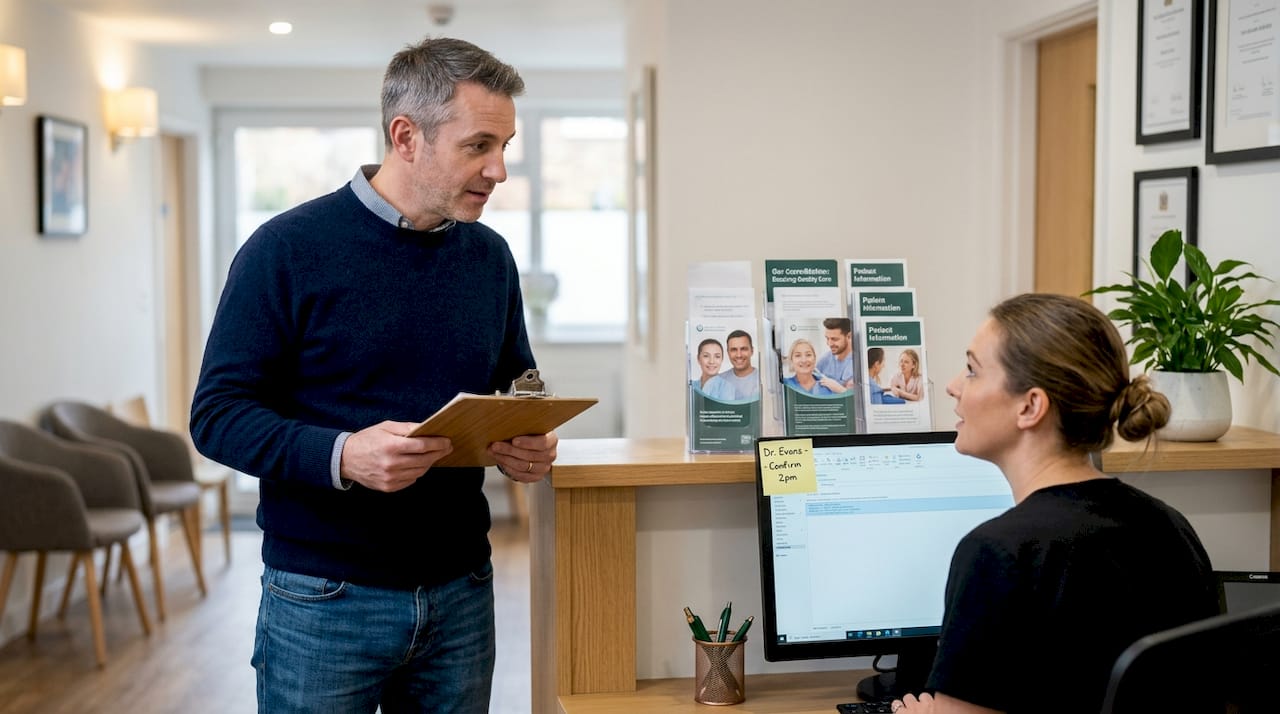
Complication rates are comparable to those at home when patients choose an accredited clinic. The risk rises sharply when patients prioritise price above all else and end up at unverified providers.
Key things to verify before booking:
- National dental association membership in the clinic's country
- ISO certification or equivalent quality management accreditation
- Individual dentist credentials, including university qualifications and specialist training
- Years the clinic has been operating and its specific experience with your procedure
- Before-and-after case galleries with verifiable patient reviews
- The implant brands used (major brands like Straumann, Nobel Biocare, or Osstem are serviceable worldwide)
Pro Tip: Search the dentist's name on LinkedIn or the national dental council's public register. Legitimate specialists are easy to verify. If a clinic is reluctant to share credentials, treat that as a significant warning sign.
One overlooked risk is the use of obscure implant brands. If an implant from an unknown manufacturer fails after you return home, your local dentist may not be able to source compatible components to repair it. Always ask for the brand and model in writing.
"Choosing an accredited clinic abroad reduces your risk significantly, but using an unrecognised implant brand can create problems that are difficult and expensive to resolve at home."
You can review the range of dental services quality offered by reputable clinics to understand what a well-structured offering looks like. For complex cases, full-mouth rehab guidance from an experienced team makes a measurable difference to outcomes.
Plan for follow-up care and potential risks
Even with a well-chosen clinic, long-term care and risk management remain essential considerations. Dental treatment does not end when you board the flight home. What happens in the weeks and months after your procedure is just as important as the procedure itself.
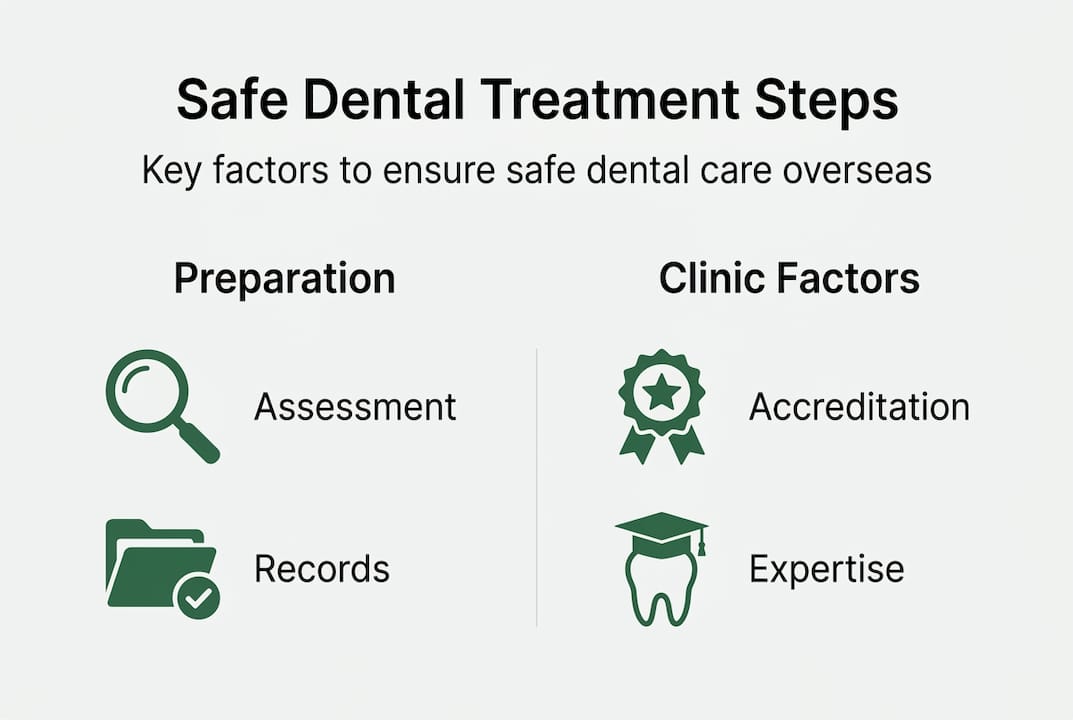
The statistics here are sobering. Up to 86% of UK patients needed corrections after returning home from dental tourism, according to a BDA survey, and the NHS will often not cover fixes arising from treatment abroad. That means any corrective work comes out of your own pocket.
Here is how to manage follow-up risks effectively:
- Before you travel, identify a local dentist willing to provide aftercare for overseas treatment. Not all will, so ask explicitly.
- Request a full written treatment report and all X-rays from your overseas clinic before you leave.
- Understand the clinic's guarantee policy in writing, including how disputes are handled across borders.
- Book a check-up with your local dentist within four to six weeks of returning home.
- Know the signs of complications: persistent pain, swelling, implant mobility, or bite changes that do not resolve within a few days.
"The most common regret among dental tourists is not planning their aftercare before they travelled. Once complications arise, the options narrow quickly."
Insurance is another area where patients are frequently caught out. Most standard travel insurance policies exclude elective dental treatment. Specialist dental tourism insurance exists, but check the fine print carefully regarding aftercare risks and what counts as a covered complication.
For genuine peace of mind, knowing that emergency dental care is available and that your chosen clinic offers structured family dentist follow-up support removes much of the uncertainty.
What most dental tourists overlook about procedure selection
Most guides focus on cost comparisons and clinic checklists. What they rarely address is the psychological pressure patients feel once they have committed to a trip. You have booked flights, taken time off work, and told everyone you are going. That pressure pushes people to accept treatment plans they would question at home.
Follow-up challenges dominate failures in dental tourism, and complex cases involving significant bone loss or complicated medical histories carry substantially higher risks abroad than straightforward restorative work. A local assessment first genuinely prevents overtreatment and protects you from being upsold on procedures you do not need.
Seasoned dental tourists consistently report the same regret: they moved too fast. They skipped the local assessment, accepted the first overseas quote, and underestimated aftercare. The patients who report excellent outcomes, as explored in expert perspectives on dental tourism outcomes, are almost always those who treated the process like a project, with research, documentation, and a clear plan before they ever booked a flight. Read more patient experiences and practical advice on the Cronos blog.
Next step: Explore trusted dental care abroad
You now have a clear framework for selecting procedures, comparing costs, verifying clinics, and planning aftercare. The next step is finding a provider who meets every standard you have just learned to look for.
At Cronos, we work with patients at every stage of the process, from initial consultation through to long-term follow-up support. Our team specialises in helping dental tourists navigate their options with confidence. Explore dental services to see the full range of treatments available, or go straight to our dental implant options if implants are your priority. We make it straightforward to plan treatment that is both safe and genuinely affordable.
Frequently asked questions
What are the main risks for dental tourism procedures?
Post-treatment complications like infections or poor implant fit are the most common risks, with up to 86% of UK patients needing corrections after returning home.
How do I ensure a clinic abroad is trustworthy?
Verify accreditations, staff credentials, and patient reviews, and always ask about implant brands and written guarantees before booking, as accredited clinics show complication rates comparable to treatment at home.
Will my insurance cover corrections after dental tourism?
Most national insurance schemes, including the NHS, will not cover fixes from complications arising from treatment abroad, and private insurance coverage varies significantly by policy.
Is a dental assessment at home necessary before going abroad?
Yes, a local assessment and X-rays are essential for accurate treatment planning and for getting genuinely comparable quotes from overseas clinics.
Are package deals better than standalone procedures?
Package deals can offer significant savings, but only when all essential steps including diagnostics, treatment, and aftercare are genuinely included rather than listed as optional extras.